

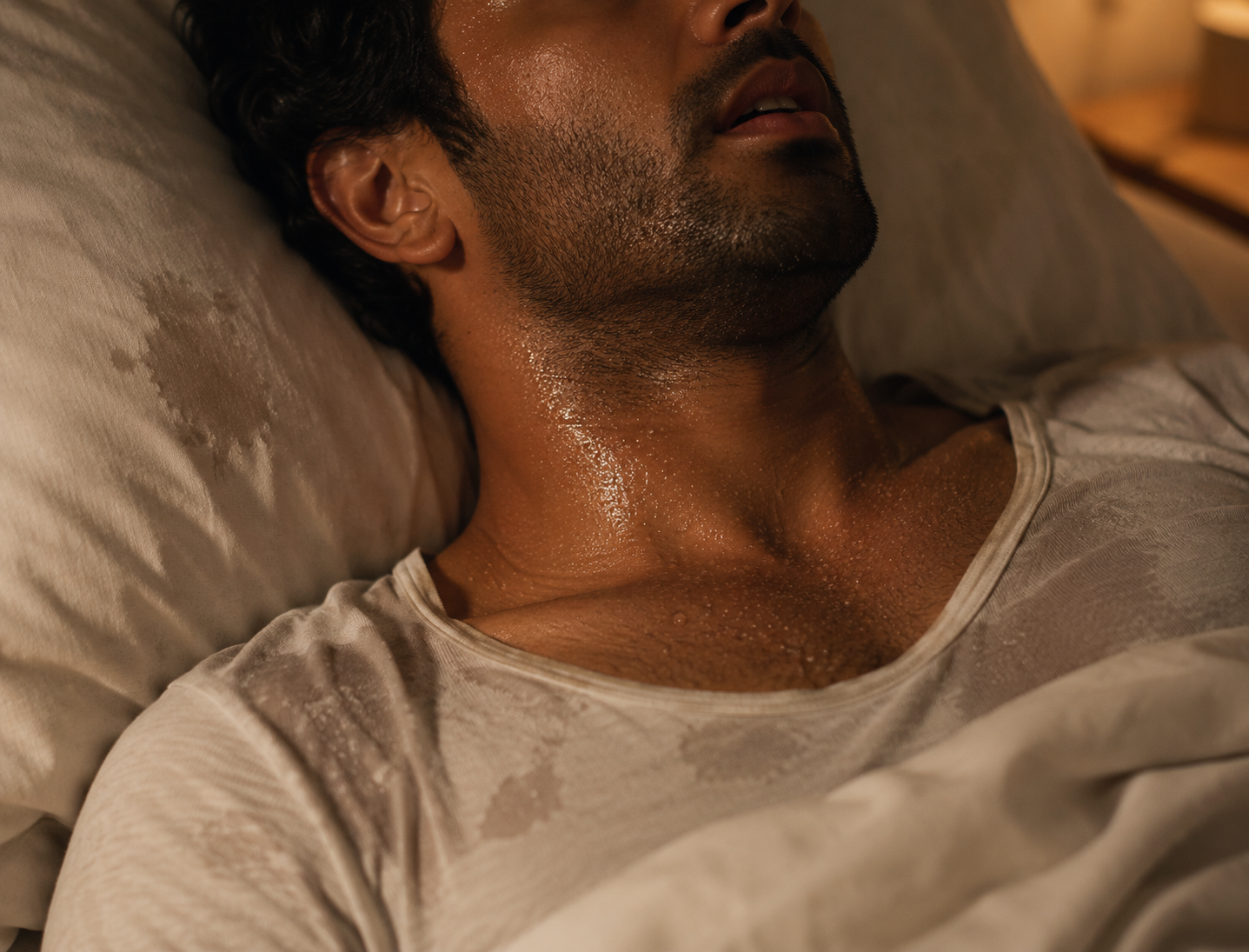
Woke up sweating again with no obvious reason? Your body is doing more than being dramatic. Night sweats can trace back to your bedroom setup, your hormones, a medication you're on, or occasionally something worth flagging to a doctor. The key is knowing which category you're actually in.
TLDR:
- Most night sweats trace back to hormones, bedroom conditions, alcohol, stress, or certain medications
- Up to 80% of women in menopause experience night sweats, often concentrated around the neck and chest
- Waking up drenched then freezing happens because your body overshoots cooling after sweating stops
- See a doctor if sweating pairs with unexplained weight loss, swollen lymph nodes, or lingering fever
- Twofold connects you with sweat-specialized dermatologists online to treat persistent sweating from hyperhidrosis
What Are Night Sweats?
Waking up warm because your room is stuffy or your comforter is too heavy is one thing. Night sweats are another: episodes of drenching sweat that soak through your shirt or leave a damp patch on the sheets, even when the room is cool. If you have peeled off pajamas at 3 a.m. or flipped your pillow to the dry side and it still was not enough, that is what we mean.
Your body works hard to hold a steady core temperature, a process called thermoregulation. If you've ever wondered why you sweat so much, the answer often starts here. During sleep, that internal thermostat dips and moves through stages, so the system can misfire overnight and flood you with sweat.
As many as 41% of primary care patients report night sweats monthly, so you are far from alone.
Everyday Causes That Are Likely the Culprit
Before your mind jumps to something serious, start with the ordinary suspects. For most people, night sweats trace back to something in the room, the routine, or the medicine cabinet.
Run through this list first:
- A warm bedroom or thick, layered bedding that traps heat while you sleep
- Heavy or synthetic sleepwear that holds moisture against your skin
- Alcohol sweats before bed, which widens blood vessels and nudges your body to release heat
- Stress and anxiety, which keep your nervous system on alert and can trigger sweating overnight
- Certain common medications, including antidepressants such as SSRIs, corticosteroids, and some blood pressure drugs
If one of these fits, a few small changes often settle things down. When you are on a prescription and suspect it is the cause, talk to your doctor before stopping anything.
Night Sweats in Women
For women, the most common thread behind night sweats is hormonal. Perimenopause, the years leading up to menopause, is the leading driver, and symptoms often begin long before your final period arrives. As estrogen levels swing up and down, they throw off the hypothalamus, the part of the brain that acts as your internal thermostat. When that control center misreads your body as overheated, it triggers a rush of sweat to cool you down.
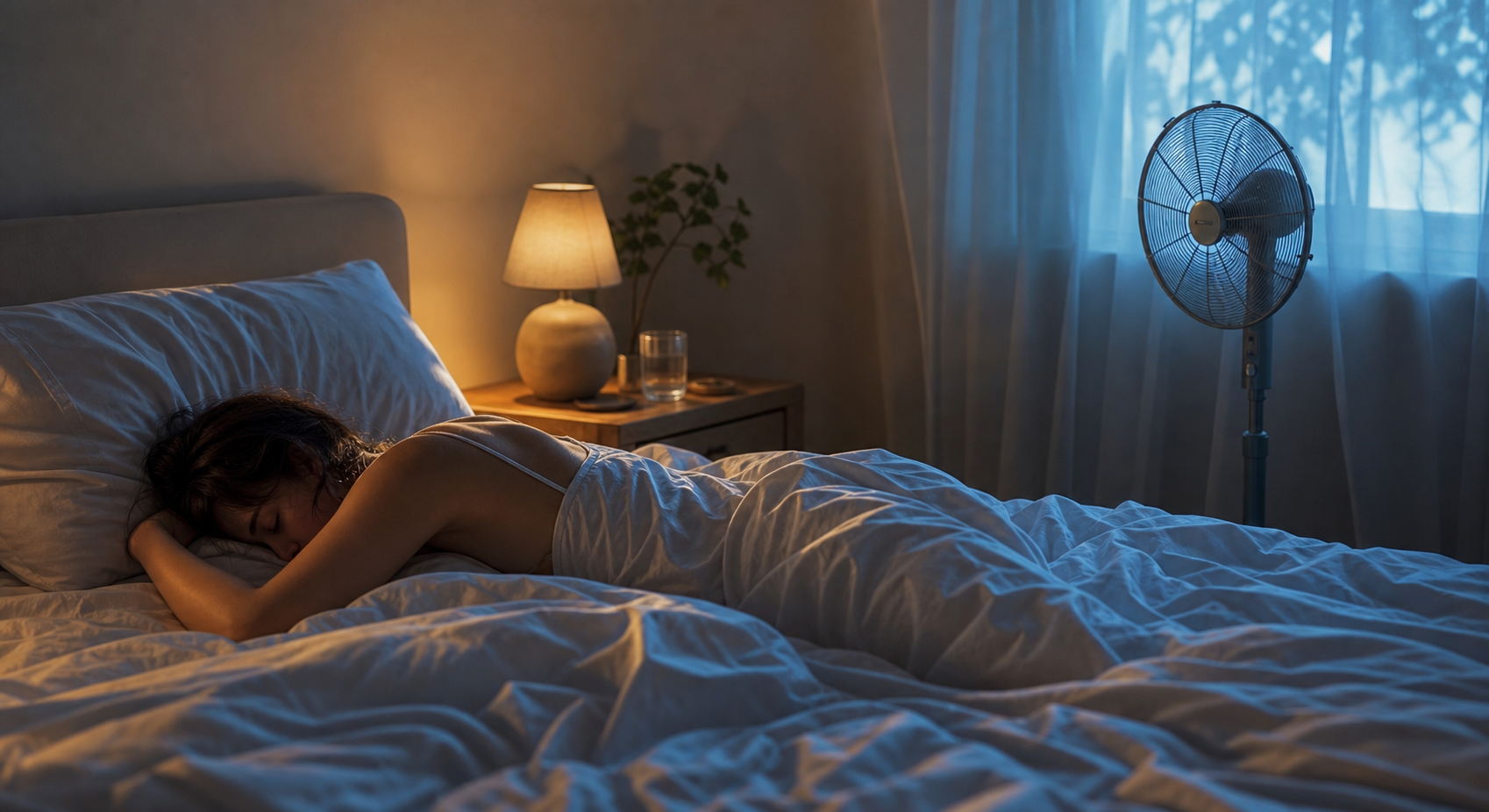
That heat tends to cluster around the neck and chest, which is why so many women search for exactly that pattern. Up to 80% of women in menopause experience hot flashes or night sweats.
Hormones shift outside of menopause too. Pregnancy and the postpartum weeks can bring their own drenching nights as estrogen and progesterone recalibrate.
Night Sweats in Men
For men, the hormonal culprit is usually the opposite of what drives it in women. Testosterone naturally declines with age, and that androgen drop can unsettle the same brain thermostat, the hypothalamus, that misfires during menopause. When levels dip low enough, the body can misread its own temperature and trigger a sweat overnight.
Sleep apnea is another frequent trigger. The repeated strain of stopping and restarting breathing stresses the body during sleep and can leave you damp by morning, often alongside loud snoring and daytime fatigue.
The cancer worry that sends many men searching has context. Men on androgen deprivation therapy for prostate cancer frequently report night sweats as a side effect, since treatment sharply lowers testosterone. Without that treatment, the everyday and hormonal causes above are far likelier.
Waking Up Drenched but Freezing
That whiplash of soaking one minute and shivering the next confuses a lot of people, but the mechanism is straightforward. When your core runs too hot, your body floods the skin with sweat to release heat. Once that sweat evaporates and the heat leaves, the cooling keeps going a beat too long. You are left damp, chilled, and reaching for the blanket you kicked off an hour earlier.
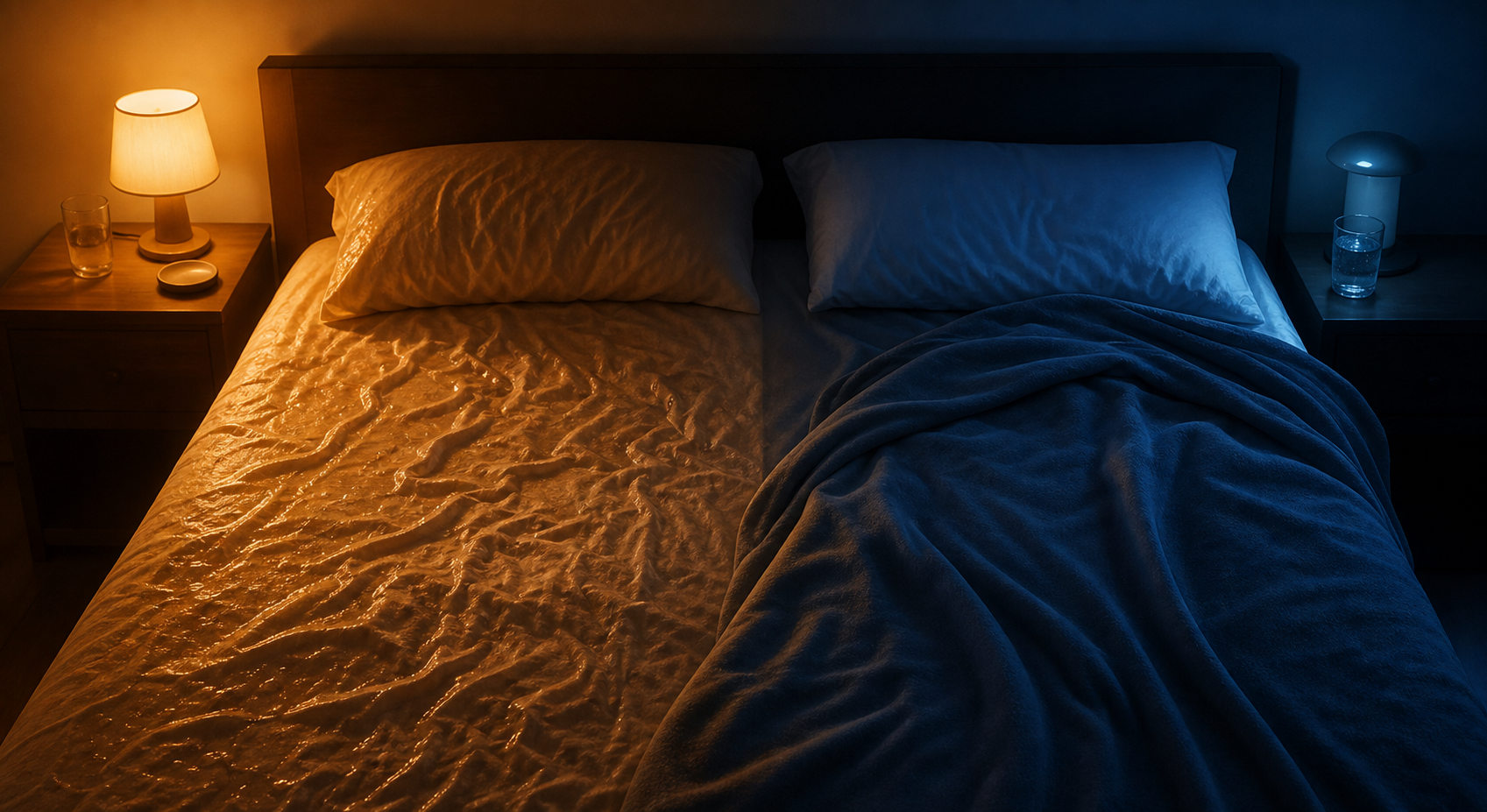
Hormonal episodes follow this arc closely, spiking heat before the crash into cold. Infections do it too, as fever breaks and your temperature drops fast. Blood sugar dips overnight can trigger the same sweat-then-shiver swing, especially if you skipped dinner or take diabetes medication.
Night Sweats Paired With Other Symptoms
A single symptom can point several directions, so the company it keeps matters. When sweat arrives alongside something else, the pairing often narrows what your body might be signaling.
| Sweating plus | Common explanations |
|---|---|
| Racing or pounding heart | Anxiety or a panic attack, a drop in blood sugar, or, less often, a cardiac issue worth checking |
| Dizziness or vertigo | An inner ear problem or blood pressure dip, or low blood sugar |
| Nausea, vomiting, or stomach pain | A stomach bug or food poisoning, or another GI infection running its course |
| A recent fever, including COVID | The body cooling as a fever breaks and temperature falls |
These are patterns, not diagnoses. If a combination keeps recurring or feels severe, that is a reason to see a doctor and not wait it out.
When Should You Be Worried About Night Sweats
Most night sweats are harmless. A handful of pairings, though, deserve a doctor's attention, not another flipped pillow. See someone if you notice:
- Persistent sweating with no room, bedding, or lifestyle cause you can pin down
- Unintentional weight loss you did not plan for
- Swollen lymph nodes in the neck, armpits, or groin
- A fever that lingers for days
- Extreme, unexplained fatigue
Lymphomas and leukemias are the cancers most often linked to night sweats, and that pairing is what fuels the "male night sweats cancer" worry so many people carry to bed. Sweating on its own rarely points to cancer. It is the cluster of these symptoms together that matters, so trust the combination over any single sign.
How to Reduce Night Sweats
Start where you have the most control: your bedroom and your habits. A cooler room, breathable cotton or bamboo bedding, and lightweight sleepwear go a long way, and reducing excessive sweating with lifestyle changes can complement these steps. Skip alcohol and spicy food before bed, since both are common sweat triggers that stoke internal heat. And because a wound-up nervous system keeps sweat glands active, a wind-down routine helps: slow breathing, a warm shower that lets your body cool afterward, or anything that quiets the day. If a medication lines up with when the sweating started, raise it with your provider first.
For a broader look at how to stop sweating, treatment depends on the cause:
- Menopausal women may consider hormone therapy, or HRT, with a doctor
- Men with low testosterone symptoms can ask for a blood test and evaluation
- Sweating that persists regardless of hormones can point to a separate condition, and prescription options exist
Excessive Sweating at Night and Hyperhidrosis
If your nighttime sweating keeps returning, stays out of proportion to the room and your habits, and does not track back to hormones or illness, it may be hyperhidrosis. This is a medical condition where the body produces sweat up to four to five times more than it needs to hold temperature steady. At night, it often clusters in the underarms, chest, or back, a pattern common in focal hyperhidrosis.
That is the gap we work in. If excessive underarm sweating is part of the picture, Twofold can help. We connect you with sweat-specialized dermatologists online, no in-person visit required. The flagship treatment available is a compounded topical oxybutynin 8% gel, applied once nightly. Oxybutynin is an anticholinergic, blocking the signal that tells your sweat glands to fire.
When a dermatologist decides they fit better, oral options like glycopyrrolate for hyperhidrosis and extended-release oxybutynin are available too. Most people notice a change within one to two weeks and fuller results by around four weeks, though sweating comes back if you stop. Plans run on a subscription with flat pricing, no insurance, and unlimited follow-up messaging with your care team.
Final Thoughts on What Causes Night Sweats and How to Manage Them
For most people, night sweats come down to hormones, habits, or a medication worth discussing with a provider. Cooling down your room, swapping out heavy bedding, and cutting alcohol before bed handles a surprising number of cases. If sweating keeps returning without a clear reason, that is worth a conversation with a doctor, which is something more useful than another restless night.
This post is for informational purposes only and is not a substitute for professional medical advice, diagnosis, or treatment. Consult a qualified healthcare provider with any questions you have about a medical condition.
FAQ
When should you be worried about night sweats?
Night sweats on their own are rarely a red flag, but the combination of symptoms matters. See a doctor if drenching sweat comes alongside unintentional weight loss, swollen lymph nodes, a lingering fever, or extreme unexplained fatigue. Those pairings, not sweating alone, are what warrant a closer look.
Why do you wake up drenched in sweat but freezing?
Your body floods the skin with sweat to release heat, then overshoots the correction. Once evaporation pulls the heat away, the cooling keeps going a beat too long, leaving you damp and shivering. Hormonal episodes, a breaking fever, and overnight blood sugar dips all follow this same spike-then-crash pattern.
What causes sweating around the neck and chest at night in women during perimenopause?
Falling and fluctuating estrogen levels disrupt the hypothalamus, the brain region that controls body temperature, causing it to misread your core as overheated and trigger a sweat response. This is why heat tends to concentrate around the neck and chest, and why up to 80% of women going through menopause experience hot flashes or night sweats.
What is the cause of night sweats in males, and when should men be concerned?
The most common hormonal cause in men is declining testosterone, which unsettles the same brain thermostat that misfires during menopause. Sleep apnea is another frequent driver. The "male night sweats cancer" worry has real context: men on androgen deprivation therapy for prostate cancer report night sweats at 70 to 80 percent. Without that treatment, everyday and hormonal causes are far more likely than cancer.
Night sweats every night with no fever: could it be hyperhidrosis and not a hormone issue?
If your sweating keeps returning, stays out of proportion to your room temperature and habits, and does not track back to hormones or illness, it may be hyperhidrosis, a medical condition where the body produces sweat up to four to five times more than it needs for temperature regulation. Twofold connects you with sweat-specialized dermatologists online who can assess whether a prescription treatment, like compounded topical oxybutynin 8% gel or an oral option, is the right fit for your situation.
If you see a mistake or something you think should be updated, let us know at hello@itstwofold.com!


