


Switching to a stronger deodorant and hoping for the best works for most people, but if you're here, it probably hasn't worked for you. Excessive armpit sweating can run a lot deeper than what's sitting on the drugstore shelf, and sorting out why it's happening changes what you can actually do about it.
TLDR:
- Deodorant masks odor; antiperspirant blocks sweat. If you still soak through, you may be using the wrong one.
- Excessive armpit sweating (axillary hyperhidrosis) affects about 4.8% of people in the U.S. and is treatable.
- Treatment options range from clinical-strength antiperspirants to prescription topicals, Botox, and miraDry.
- Sudden sweating, night sweats, or one-sided sweating can signal an underlying condition worth checking out.
- Twofold is a virtual sweat clinic where board-certified dermatologists review your case and can provide treatment.
What Is Excessive Armpit Sweating?
If your underarms soak through a shirt on a cool morning, when you're calm and doing nothing that should make you sweat, there's a name for it: axillary hyperhidrosis. It describes sweat glands in the armpits that keep firing long after your body has cooled, producing far more moisture than temperature regulation needs.
Doctors sort it into two buckets. Primary hyperhidrosis is idiopathic, meaning no underlying illness. It shows up in symmetric spots (both armpits, both palms), often runs in families, and starts young. Secondary hyperhidrosis is triggered by another condition or a medication, and can appear anywhere at any age.
You're far from alone. Roughly 4.8% of people in the U.S. live with hyperhidrosis, and the underarms are the most commonly reported site.
Why Do Your Armpits Sweat So Much?
The short answer to why armpits sweat too much even when you're not hot comes down to wiring. Your sympathetic nervous system controls the sweat glands, and in primary hyperhidrosis it stays switched on when it should be idle. No heat, no workout, no reason your thermostat can point to. The signal fires anyway, which is why deodorant alone rarely keeps up.
Emotion pours fuel on that fire. Stress, nerves, and anticipation crank up the same nerve pathway, so a tense meeting can trigger a soak faster than a hot afternoon.
When sweating starts suddenly or spreads beyond the usual spots, a secondary cause may be behind it. Common ones include:
- Thyroid disorders and diabetes
- Menopause and pregnancy
- Obesity
- Medications such as SSRIs, SNRIs, opioids, and corticosteroids
A lifelong, symmetric pattern that quiets during sleep points toward primary hyperhidrosis. A new or one-sided change deserves a provider's look, since the trigger may be treatable at the source.
How Excessive Armpit Sweating Affects Daily Life
For a lot of people, the sweat is only half the problem. The other half is the constant management: arms-down posture, the jacket kept on in July, the seat chosen so no one clocks the stains. That vigilance wears on you.
The mental toll is well documented. Around 75% of people with hyperhidrosis report negative effects on mental health, relationships, and emotional well-being, which is part of why excessive underarm sweating is taken seriously as a medical condition. A 2020 systematic review found they score higher on anxiety and depression measures than other dermatology patients. Careers take a hit too, since handshakes and presentations can become minefields.
There's a physical cost. Damp skin is friendlier to bacteria and fungus, so people with hyperhidrosis carry a roughly 30% greater risk of skin infections.
How Excessive Armpit Sweating Is Diagnosed
Most of a diagnosis happens through conversation. A provider will ask when the sweating started, whether it hits both armpits evenly, how often it flares, and whether it quiets down while you sleep. Primary hyperhidrosis usually checks a familiar set of boxes: visible sweating for six months or more, symmetric spots, episodes that pause overnight, a family history, disruption to daily life, and onset before age 25.
A few simple tests confirm and map it:
- Starch-iodine test: iodine and starch turn dark blue wherever sweat surfaces, showing which glands are overactive.
- Gravimetric paper test: absorbent paper is weighed before and after to measure how much you produce.
- Blood or imaging tests: used only to rule out a secondary cause like thyroid trouble.
Nothing here is invasive.
Antiperspirants and Deodorants for Armpit Sweating
Start with the label mix-up, because it trips up almost everyone. Deodorant masks odor by fighting the bacteria that break down sweat. Antiperspirant reduces the wetness, using aluminum salts that dissolve and plug the sweat ducts near the skin's surface. If you've ever wondered why your armpits sweat so much even with deodorant, that's the reason: a plain deodorant was never built to stop the flow.
Antiperspirants come in two tiers.
- Clinical-strength OTC options (Carpe, Certain Dri, SweatBlock) suit milder cases and are the usual first stop. Apply them at night, when sweat glands are least active, so the aluminum can settle into the ducts.
- Prescription-strength antiperspirant such as aluminum chloride (classically Drysol, at 20%) steps in when drugstore versions fall short.
The catch with both is tolerance. Aluminum chloride is a known irritant, and burning, stinging, and contact dermatitis are common enough to push some people off it entirely. If a strong antiperspirant leaves your skin raw and still doesn't hold, that's usually the sign to look past the shelf.
Prescription Medications for Excessive Armpit Sweating
When antiperspirants stall, the next rung is prescription anticholinergics, which block the nerve signal telling sweat glands to fire.
Topicals keep the drug where you apply it. Two are FDA-approved for underarms: Qbrexza, a glycopyrronium cloth, and Sofdra, a sofpironium bromide gel. If cost or access is a concern, there are several Qbrexza alternatives for hyperhidrosis worth knowing about. Topical oxybutynin gel is another option, and a 2024 systematic review found meaningful improvement in 73.6% of patients versus 42.8% on placebo, with mostly mild side effects like dry mouth.
Oral versions treat body-wide sweating but carry more systemic side effects. See a comparison of glycopyrrolate vs oxybutynin if you're weighing which fits better, since the drug circulates instead of staying put. This is not a complete list of possible side effects.
In-Office Procedures for Armpit Sweating
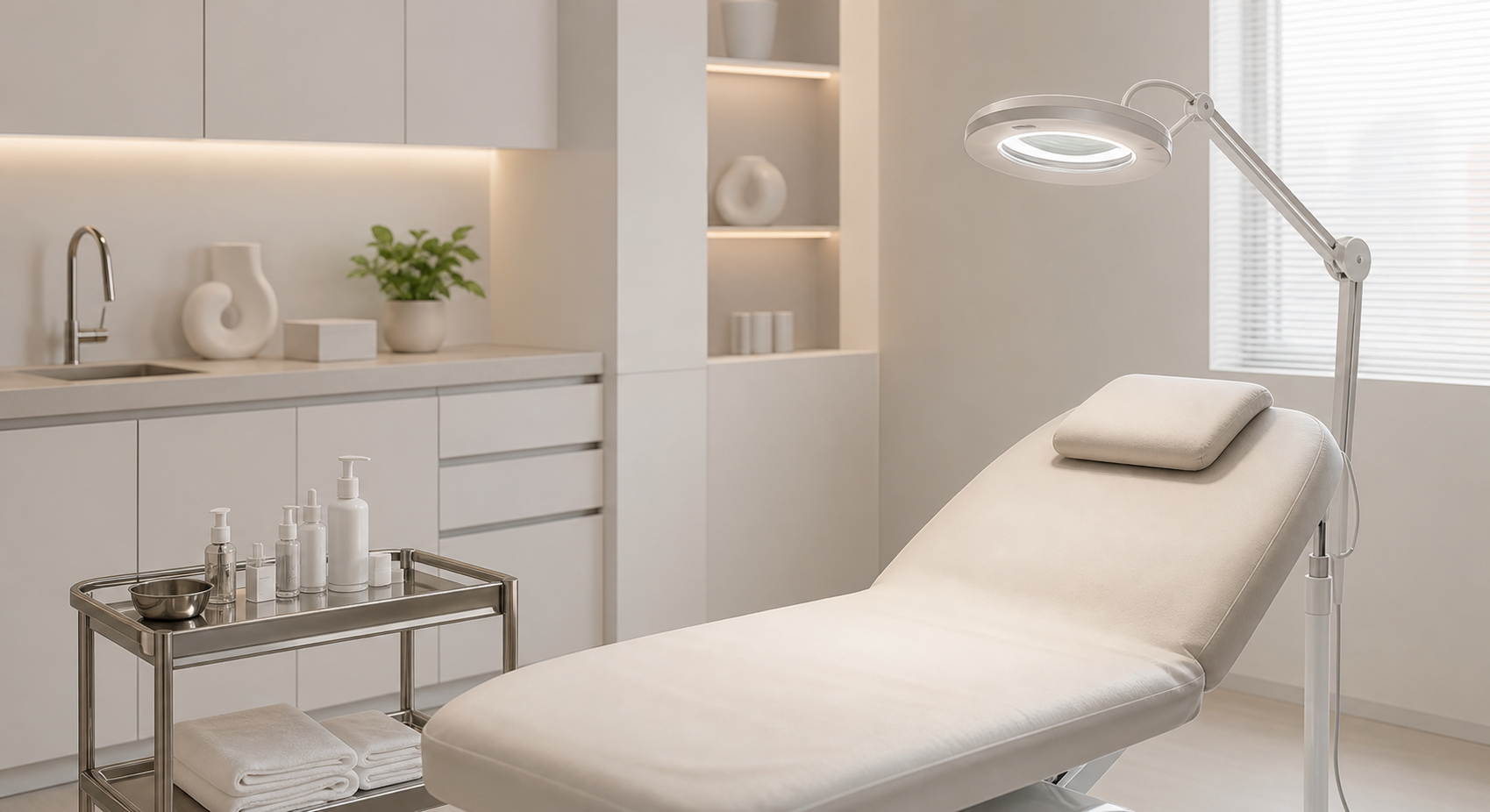
When topical and oral routes fall short, the options move into a provider's office.
- Botox for hyperhidrosis: tiny injections block the nerve signals to your sweat glands. Results typically last 4 to 6 months per cycle, with some patients seeing effects up to 12 months, then you go back for more.[1]
- miraDry treatment: a handheld device targets underarm sweat glands for marked, long-lasting reduction, though only in the underarms.[2] Commonly reported short-term side effects include bruising in 67% of patients, pain in 56%, and swelling in 44%. Most resolve within 2 weeks, with all clearing within 12 weeks. This is not a complete list of possible side effects.
- Surgery (ETS, sweat gland removal): a last resort. ETS cuts the sympathetic nerves, but compensatory sweating elsewhere is a real, sometimes lasting trade-off.
| Procedure | How It Works | Duration of Results | Common Side Effects | Best For |
|---|---|---|---|---|
| Botox | Injections block nerve signals to sweat glands | 4 to 12 months per cycle; repeat treatment needed | Minor injection-site discomfort | People who want a proven, reversible option with predictable cycles |
| miraDry | Microwave energy targets and reduces underarm sweat gland activity | Long-lasting results (underarms only) | Commonly reported: bruising (67%), pain (56%), swelling (44%); most resolve within 2 weeks, all within 12 weeks. This is not a complete list of possible side effects. | Those ready for a one-time procedure and can tolerate short-term side effects |
| Surgery (ETS / gland removal) | Cuts sympathetic nerves or removes glands surgically | Permanent | Compensatory sweating elsewhere; can be lasting | Severe, treatment-resistant cases only; considered a last resort |
Lifestyle Strategies to Reduce Armpit Sweating
None of these will switch off overactive glands, but they can take the edge off and stretch whatever treatment you're already using. Heat, stress, and spicy food are recognized triggers that worsen primary hyperhidrosis, according to the StatPearls hyperhidrosis overview, so those are the habits worth adjusting first.

- Diet: spicy food, caffeine, and alcohol all nudge the sympathetic nervous system, so cutting back can mean fewer flares. Try a two-week log of hot sauce, coffee, and evening drinks next to your worst sweating days to find your own triggers.
- Fabrics: loose, breathable cotton and other natural fibers let air move; synthetics trap heat and moisture.
- Armpit pads: disposable underarm liners catch sweat before it reaches your shirt, handy for long days and important meetings.
- Stress: deep breathing, regular exercise, and better sleep calm the nerve pathway that triggers emotional sweating. Box breathing (four counts in, hold four, out four, hold four) for a few minutes before a meeting is an easy one to try.
- Weight and hygiene: a healthy weight lowers baseline output, and washing daily keeps odor-causing bacteria down.
For moderate to severe sweating, treat these as support, not a fix on their own.
When to See a Provider About Armpit Sweating
You don't need a soaked-through crisis to book an appointment. If armpit sweating is getting in the way of your work, your relationships, or the clothes you feel comfortable wearing, and drugstore antiperspirants haven't held, that alone is reason enough to talk to someone.
A few patterns deserve a faster look:
- Sweating that started suddenly in adulthood
- Drenching that continues while you sleep
- Sweat spreading across your whole body instead of a few focal spots
- New sweating that lines up with starting a medication
- Sweating alongside unexplained weight loss, a racing heart, or fever
Any of those can point to a secondary cause worth ruling out. Reaching out is more normal than it feels. Only about half of people with hyperhidrosis ever bring it up with a provider, so you'd be joining the half who did.
How Twofold Treats Excessive Armpit Sweating
If antiperspirants have left your skin raw and your shirts still spotted, the next step doesn't have to mean a waiting room. Twofold is a virtual sweat clinic connecting you with board-certified, sweat-specialized dermatologists online.
Here's how it works:
- A free medical intake, about 5 to 10 minutes, covering your history and symptoms.
- Review by a licensed dermatologist within roughly 24 hours. No in-person appointment.
- If a prescription is written, it ships in 2 to 5 business days.
The flagship treatment available is a compounded topical oxybutynin gel for sweating at 8%, applied once nightly. It sits on a penetration-enhancing base built to reach the sweat glands through thicker-skinned areas like the underarms, blocking the nerve signal that tells them to fire. When a dermatologist decides an oral route fits better, oral glycopyrrolate and extended-release oxybutynin are options too.
Final Thoughts on Axillary Hyperhidrosis and Your Options
Living around sweat stains and anxious about every outfit is a lot to carry, and most people do it quietly for years before asking for help. The good news is that effective treatments exist at every level, and talking to a provider about it is a completely normal first move.
FAQ
Why do my armpits sweat so much even when I'm not hot or doing anything?
Overactive sympathetic nerve signaling is the most common culprit, not temperature. In primary axillary hyperhidrosis, the nerve pathway that triggers your sweat glands stays switched on even when your body has no cooling work to do, which is why the sweat keeps coming during a calm morning or a cool room. If the pattern started suddenly, hits only one armpit, or continues while you sleep, those are signs worth bringing to a provider to rule out a secondary cause.
What's the difference between antiperspirant and deodorant for excessive armpit sweating, and which one should I use?
Deodorant fights odor but does nothing to reduce how much you sweat, while antiperspirant uses aluminum salts to temporarily block sweat ducts and actually cut the wetness. If you've been wondering why your armpits sweat so much even with deodorant, the answer is likely that you've been using the wrong product category. For moderate to severe excessive armpit sweating, start with a clinical-strength antiperspirant applied at night, and talk to a provider if that still falls short.
miraDry vs. prescription topical oxybutynin for excessive underarm sweating: which makes more sense?
miraDry targets sweat glands with microwave energy for marked, long-lasting reduction, but it's limited to underarms, can carry a high short-term side effect profile (bruising in roughly 67% of patients, pain in 56%), and comes with a notable upfront cost. Prescription topical oxybutynin gel covers underarms and other areas, works through a nightly application routine, and lets you adjust or stop treatment at any time, though results don't persist if you stop using it. miraDry may suit someone ready for a one-time procedure on the underarms only; topical oxybutynin is worth considering if you want a lower-commitment, provider-supervised starting point.
How do I know if my excessive armpit sweating needs a prescription treatment or if OTC products can handle it?
If clinical-strength antiperspirants have left your skin irritated, caused burning or contact dermatitis, and your shirts are still soaked, that's a reliable signal that OTC products have reached their ceiling. Prescription options, including topical anticholinergics like oxybutynin or glycopyrrolate, work differently by blocking the nerve signal to the sweat glands instead of just plugging the ducts. A sweat-specialized dermatologist can review your history and symptoms to figure out which route fits your situation.
Can excessive armpit sweating be a sign of something more serious?
Most cases trace back to primary hyperhidrosis, a condition with no underlying illness behind it, but certain patterns deserve a closer look. Sweating that started suddenly in adulthood, continues during sleep, spreads across the whole body, or arrives alongside symptoms like unexplained weight loss, a racing heart, or fever can point to a secondary cause such as a thyroid disorder, diabetes, or a medication side effect. If any of those fit your situation, seeing a provider sooner is the right move.
If you see a mistake or something you think should be updated, let us know at hello@itstwofold.com!


