


If your hands are always damp, your shirts never stand a chance, or you find yourself planning your whole day around how much you might sweat, that's more than "running hot." It's worth understanding what's actually going on and what you can do about it.
TLDR:
- Sweating far more than others, with no clear trigger, may point to hyperhidrosis, a medical condition estimated to affect about 15.3 million Americans.
- Sudden excessive sweating can signal thyroid issues, diabetes, or heart concerns, so see a provider to find the cause.
- Treatment options range from antiperspirants and topical anticholinergics to botulinum toxin injections and surgery, depending on severity.
- Around 75% of people with hyperhidrosis report negative effects on mental health and relationships, yet only about half ever talk to a provider.
- Twofold connects you with dermatologists online for excessive sweating and reviews intake within about 24 hours.
How Much Sweat Is Too Much?
Sweating is your body's cooling system. When you're hot, nervous, or working out, sweat is normal and expected. The line gets crossed when you sweat with no clear trigger, when you're not hot or active, or so much it soaks through clothes and drips off your hands.
If you sweat far more easily than the people around you, or moisture disrupts your day, that's worth paying attention to.
What Is Hyperhidrosis?
Hyperhidrosis is a medical condition, not a quirk of your fitness level or nerves. Your sweat glands run overactive, producing far more sweat than your body needs to stay cool. It's more common than most people realize. A 2016 survey-based estimate puts it at about 15.3 million Americans, with higher rates among adults aged 18 to 39. If that sounds like you, there's a name for it.
Primary vs. Secondary Hyperhidrosis
Excessive sweating comes in two forms, and knowing which one you have shapes what follows.
Primary focal hyperhidrosis has no underlying medical cause. It usually starts before age 25, runs in families, and shows up in symmetric zones like the palms, soles, underarms, or face.
Secondary (generalized) hyperhidrosis stems from an underlying condition or medication. It can start at any age, often affects the whole body, and may come on suddenly.
| Primary | Secondary | |
|---|---|---|
| Cause | Idiopathic, genetic | Condition or medication |
| Onset | Before age 25 | Any age |
| Pattern | Symmetric areas | Often whole-body (generalized) |
Common Causes of Excessive Sweating
Sweating that comes easily often traces back to a mix of everyday triggers.
Lifestyle and physiological triggers:
- Exercise and heat
- Caffeine, alcohol, and spicy food
- Stress and anxiety
Medical contributors worth ruling out with a provider:
- Hormonal changes in women, including pregnancy and menopause
- Testosterone and other hormonal changes in men
- Thyroid conditions and diabetes
- Infections
- Certain medications, including some antidepressants
If your sweating started suddenly or ties to another symptom, that leans toward a secondary cause worth checking out.
Why Some People Sweat More Than Others
Sweat output varies from person to person, and much of it is baked in. Genetics play a big role, so if your parents sweat easily, you probably do too. Some people may sweat more readily due to fitness level or body composition, and some of us simply have a more reactive nervous system, firing sweat signals at the smallest cue. If sweating feels out of proportion to your effort or environment, it's worth talking to a provider to understand what's driving it.
Sudden Excessive Sweating: When It's a Warning Sign
Sweating that has always been part of your life reads differently from sweating that shows up out of nowhere. A sudden change is your body flagging something worth checking.
New or sudden heavy sweating can point to an underlying issue, including:
- Thyroid disorders
- Diabetes or blood sugar swings
- Infections
- Hormonal changes
- Heart-related concerns
Serious causes do exist and can't be ruled out from home. If your sweating came on suddenly, see a provider to pin down what's driving it.
Where on the Body Hyperhidrosis Strikes
Focal hyperhidrosis tends to hit the same spots, each with its own quirks.

- Underarms (axillary): dense sweat glands mean moisture soaks through shirts even with deodorant on.
- Hands (palmar): sweaty, clammy palms make handshakes and grip a daily worry.
- Feet (plantar): trapped moisture inside shoes leads to slipping and odor.
- Face and head (craniofacial): sweat runs down your forehead and can leave your hair wet, since topicals struggle to reach the scalp.
How Hyperhidrosis Is Diagnosed
A provider starts with your history, since the pattern reveals a lot. Primary hyperhidrosis usually fits a few markers: visible sweating for six months or more, symmetric on both sides, little to none during sleep, episodes that disrupt daily life, and onset before age 25.
To rule out secondary causes, they may use:
- Starch-iodine test, which turns dark where sweat appears
- Gravimetric testing to measure sweat output
- Bloodwork to check thyroid or blood sugar issues
The Real-Life Impact of Excessive Sweating
If sweating rules your wardrobe and social plans, you're not imagining the toll. Studies suggest around 75% of people with hyperhidrosis report negative effects on mental health, relationships, and well-being, and about 48% report poor quality of life when symptoms go unmanaged.
The physical side adds up too. Constant moisture raises the risk of skin infections, plus the cost of replacement clothing, extra laundry, and lost productivity.
Treatment Options for Excessive Sweating
Treatment usually climbs step-wise, from gentlest to most intensive. A provider helps match the step to your pattern and severity.
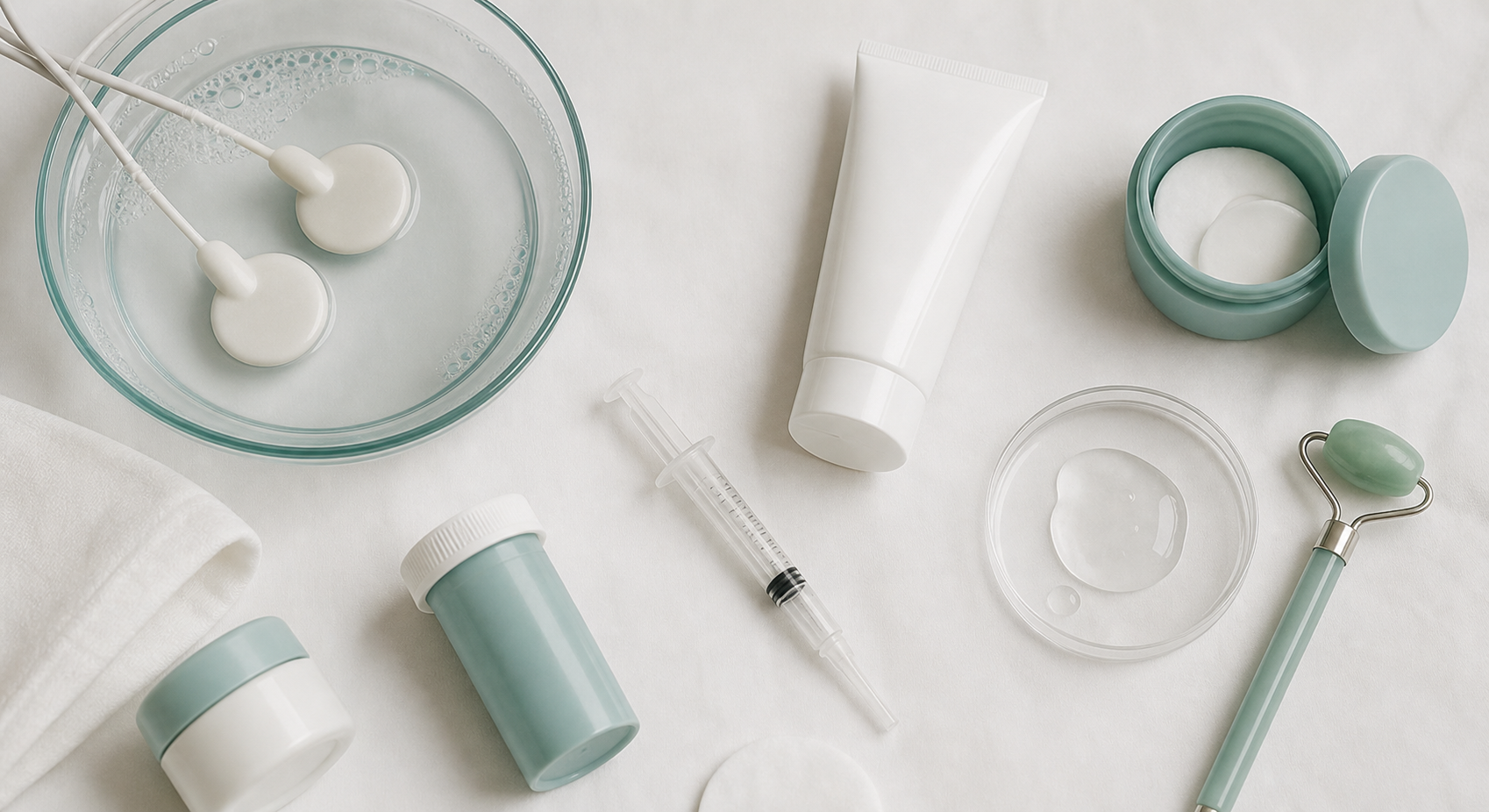
| Treatment | How it works | Best suited for |
|---|---|---|
| Antiperspirants (aluminum chloride) | Plug sweat ducts near the skin | Mild cases, first-line |
| Topical anticholinergics | Block the nerve signal to glands | Mild to moderate, localized |
| Oral anticholinergics | Reduce sweat body-wide | Generalized or multi-site |
| Iontophoresis for hyperhidrosis | Mild current through water | Palms and soles |
| Botox for hyperhidrosis | Injections block sweat nerves | Targeted, moderate to severe |
| Microwave thermolysis | Destroys underarm glands | Underarms only |
| Surgery (ETS) | Cuts sympathetic nerves | Severe, treatment-resistant |
Each carries tradeoffs, from irritation to downtime to permanence, so the right fit depends on your situation.
Lifestyle and Day-to-Day Management Tips
While treatment does the heavy lifting, a few daily habits ease the load.
- Wear loose, natural fabrics and moisture-wicking socks; skip tight or synthetic clothes.
- Cut back on caffeine, alcohol, and spicy food, which all rev up sweating.
- Manage stress, since anxiety triggers sweat.
- Keep sweaty areas clean and dry to limit odor and irritation.
- Try a clinical-strength OTC antiperspirant on underarms, applied at night.
When to See a Provider About Excessive Sweating
Learning how to stop sweating starts with talking to a provider when sweat soaks your clothes, disrupts work or relationships, or wears you down. See one sooner if it came on suddenly, wakes you with night sweats, or arrives alongside other symptoms.
Only about half of people with hyperhidrosis ever discuss it with a provider, and effective treatments exist. Bringing it up is worth it.
How Twofold Approaches Excessive Sweating
If daily sweat is wearing you down, Twofold makes getting help simple. We connect you with sweat-specialized dermatologists online and review your intake within about 24 hours.
An available flagship treatment is a compounded topical oxybutynin 8% gel for thicker-skinned spots like hands and feet. A 2024 systematic review found meaningful HDSS improvement in 73.6% of patients versus 42.8% on placebo. Results fade if you stop.
When topical isn't right, the dermatologists can help you weigh glycopyrrolate vs oxybutynin to find the right oral option.
Final Thoughts on What Causes Excessive Sweating
If sweat shows up uninvited and overstays its welcome, you are far from alone. The causes range from genetics to hormones to underlying conditions, and the right next move depends on your specific pattern. Bringing it up with a provider is a small step that tends to open up a lot of options.
FAQ
Why do I sweat so easily compared to others, even when I'm not hot or active?
If you sweat far more than the people around you with little or no trigger, your sweat glands may simply be overactive. This is a medical condition called hyperhidrosis that, by a 2016 survey-based estimate, affects around 15.3 million Americans. Genetics play a large role, so a family history of easy sweating is a strong clue, and some people naturally have a more reactive nervous system that fires sweat signals at the smallest cue.
What is excessive sweating a sign of, and when should I see a provider?
Excessive sweating that has been part of your life since your teens or twenties often points to primary hyperhidrosis, which has no underlying medical cause. However, if your sweating came on suddenly, wakes you at night, or arrives alongside other symptoms like fatigue or weight changes, it can signal a thyroid disorder, blood sugar issue, infection, or hormonal change. These are serious causes that can only be ruled out by a provider, not at home. Talk to a provider to determine what is driving your symptoms before drawing conclusions.
How do I stop sweating so much on my face, hands, and underarms when antiperspirants and deodorants aren't working?
Over-the-counter antiperspirants are a reasonable first step for mild cases, but they often fall short for the face, hands, and other areas with dense or thick-skinned sweat glands. Prescription-level options like topical anticholinergics, oral medications, iontophoresis, or Botox injections have shown stronger results in clinical studies for moderate to severe cases, and a sweat-specialized dermatologist can match the right treatment to your specific pattern and severity.
Hyperhidrosis telehealth vs. in-person dermatology for excessive sweating: what are the practical differences?
Telehealth clinics like Twofold handle the full process (intake, dermatologist review, and prescription delivery) without a waiting room or in-person appointment, which works well for primary hyperhidrosis where a clear diagnosis and prescription treatment plan are the goal. In-person dermatology makes more sense when you need hands-on diagnostic tests like a starch-iodine or gravimetric test, or when you're pursuing procedures like Botox injections or miraDry that physically can't be done remotely.
Can I treat palmar hyperhidrosis and craniofacial hyperhidrosis with a topical, or do those areas need a different approach?
Topical anticholinergics can work on hands and the face, but the base matters. Thicker-skinned areas like palms and soles require a base made to penetrate the skin instead of sitting on the surface. For the scalp and hair-covered areas, topicals are generally not practical; iontophoresis is a proven option for palms and soles, while facial sweating often responds to topical or oral anticholinergics under dermatologist guidance.
If you see a mistake or something you think should be updated, let us know at hello@itstwofold.com!


