

At some point, most people researching miraDry have the same question: is destroying your sweat glands permanently actually the right move, or is there a better path? The procedure works well for the right person, but it has some real limitations worth knowing before you spend a few thousand dollars. Here's what the evidence shows and what your other options look like.
TLDR:
- miraDry uses microwave energy to target underarm sweat glands, costing $1,500 to $3,000+ out of pocket per treatment area
- Clinical studies report 61 to 70 percent average sweat reduction (PubMed, 38-month survey), with results lasting three or more years after one or two sessions
- miraDry treats underarms only and is permanent, so people with sweating on hands, feet, or face need a different path
- Commonly reported side effects include bruising, swelling, and numbness; most clear within two weeks
- Twofold is a virtual sweat clinic offering dermatologist-guided, at-home compounded prescription treatment across multiple body zones
What Is miraDry and How Does It Work?

miraDry is an in-office procedure that uses microwave energy to heat and permanently destroy the sweat glands in your underarms. A handheld device is pressed against the skin, delivering targeted thermal energy to the layer where sweat glands sit while a cooling system protects the surface. Most people complete treatment in one or two sessions.
It's built for one area only: the underarms. That makes it a fit for people dealing with moderate to severe axillary sweating who want a lasting result and haven't found relief from antiperspirants or other first-line options.
During the session, your provider numbs the area with local anesthetic, marks the treatment zone, and works across each underarm. Expect some swelling and tenderness afterward, with normal activity resuming fairly quickly for most patients.
miraDry Pricing: What Does the Procedure Actually Cost?
miraDry's upfront cost often falls between $1,500 and $3,000 or more per treatment area. Since the underarms are being treated, that price typically covers both sides.
A few things can push the total higher:
- Multiple sessions: many people need one or two treatments to reach their desired result, and a second session adds to the bill.
- Provider and location: pricing varies by clinic, region, and the experience of the person performing it.
Insurance usually won't help. miraDry for underarm sweating is generally treated as an elective procedure, so coverage is rare and you should expect to pay out of pocket.
The upside on payment flexibility: many clinics accept HSA or FSA funds, and some offer financing plans to spread the cost over time.
miraDry Side Effects and Downtime
Because miraDry destroys tissue with heat, some short-term reaction is expected. The good news is that most of it fades on its own. In a one-year follow-up study, commonly reported effects were bruising in 67% of patients, pain in 56%, swelling in 44%, numbness in 28%, and small nodules under the skin in 22%. Most resolved within two weeks, and all cleared within twelve weeks.
Here's what that looks like day to day:
- Swelling and tenderness in the underarms for the first several days
- Bruising that fades over a couple of weeks
- Temporary numbness or tingling as nerves settle
- Firm lumps under the arm that soften over time
Downtime is modest. Many people return to work quickly, though you'll want to skip heavy arm workouts for a bit. This is not a complete list of possible side effects.
miraDry Results: What the Clinical Evidence Shows
The evidence behind miraDry is generally encouraging for underarm sweating. A three-year follow-up of 103 patients with severe axillary hyperhidrosis found durable improvement after one or two treatments, which speaks to how long results tend to hold.
Sweat reduction data lines up with that. A long-term survey averaging 38-month follow-up reported average sweat reduction of 61 to 70 percent.
Patients also tend to favor it over injections. In a randomized head-to-head trial, 76 percent preferred microwave thermolysis over botox for hyperhidrosis.
One practical note worth keeping in mind: those durability findings came after one or two sessions, so a single visit isn't always enough to reach your target result.
Why Consider miraDry Alternatives?
For the right person, miraDry earns its reputation. If your sweating is confined to your underarms, you want a lasting fix, and the upfront cost fits your budget, it's a well-evidenced choice.
The trouble is that plenty of people don't fit that narrow window. A few reasons folks start looking elsewhere:
- Underarms only: miraDry can't touch sweaty palms, feet, or a face that won't quit. If your symptoms show up anywhere but the underarms, it won't help those zones.
- Results are considered permanent, with sweat glands unlikely to regenerate, so there's no dialing it back if your needs change.
- Cost and downtime add up, especially if you need a second session.
- Many people jump straight to a procedure before trying prescription-strength options that could quiet their excessive underarm sweating without anything permanent.
miraDry Alternatives Worth Considering in September 2026
This is clearly a list, so here are the top options ranked.
Twofold
A virtual sweat clinic that pairs you with a sweat-specialized dermatologist and ships compounded prescription treatment to your door.
- Treats multiple zones: hands, feet, face, underarms, back, chest, and groin, not underarms alone
- Fully at-home, once-nightly gel with no procedure or downtime
- Dermatologist-guided care with unlimited follow-up messaging
- Flat, transparent pricing with no insurance required
Best for anyone whose sweating hits more than one area, or who wants a reversible, non-invasive option before committing to a procedure.
Bottom line: for breadth of coverage and convenience, it's a strong option to consider before committing to a procedure.
Center for Hyperhidrosis
A Beverly Hills surgical clinic focused on ETS, ELS, and axillary curettage.
- Surgical options for treatment-resistant cases
- In-person specialist consults
- Targeted procedures per body zone
Good for severe cases that have exhausted other routes. Limitation: it requires travel to LA, each zone needs a separate invasive procedure, and compensatory sweating after ETS ranges from 36.5% to 90%. For more on risks and outcomes, see our overview of hyperhidrosis surgery. Bottom line: a last-resort path, not a first step.
Dermadry

A Canadian company selling FDA-cleared at-home iontophoresis devices.
- Drug-free tap-water treatment
- One-time device purchase
- Targets hands, feet, and underarms
Good for isolated palm or foot sweating. Limitation: iontophoresis for hyperhidrosis sessions run 30 to 60 minutes several times a week, coverage is limited to those zones, the device isn't travel-friendly, and a prescription is required in the U.S. Bottom line: solid for committed, single-zone users.
SweatBlock
An over-the-counter antiperspirant brand with aluminum-based products.
- Widely available without a prescription
- Wipes and formulas for several body areas
- Low upfront cost
Good for mild sweating. Limitation: no medical oversight, a surface duct-plugging mechanism that often falls short for clinical hyperhidrosis, and a risk of irritation. Bottom line: a first-line try, not a clinical fix.
Duradry
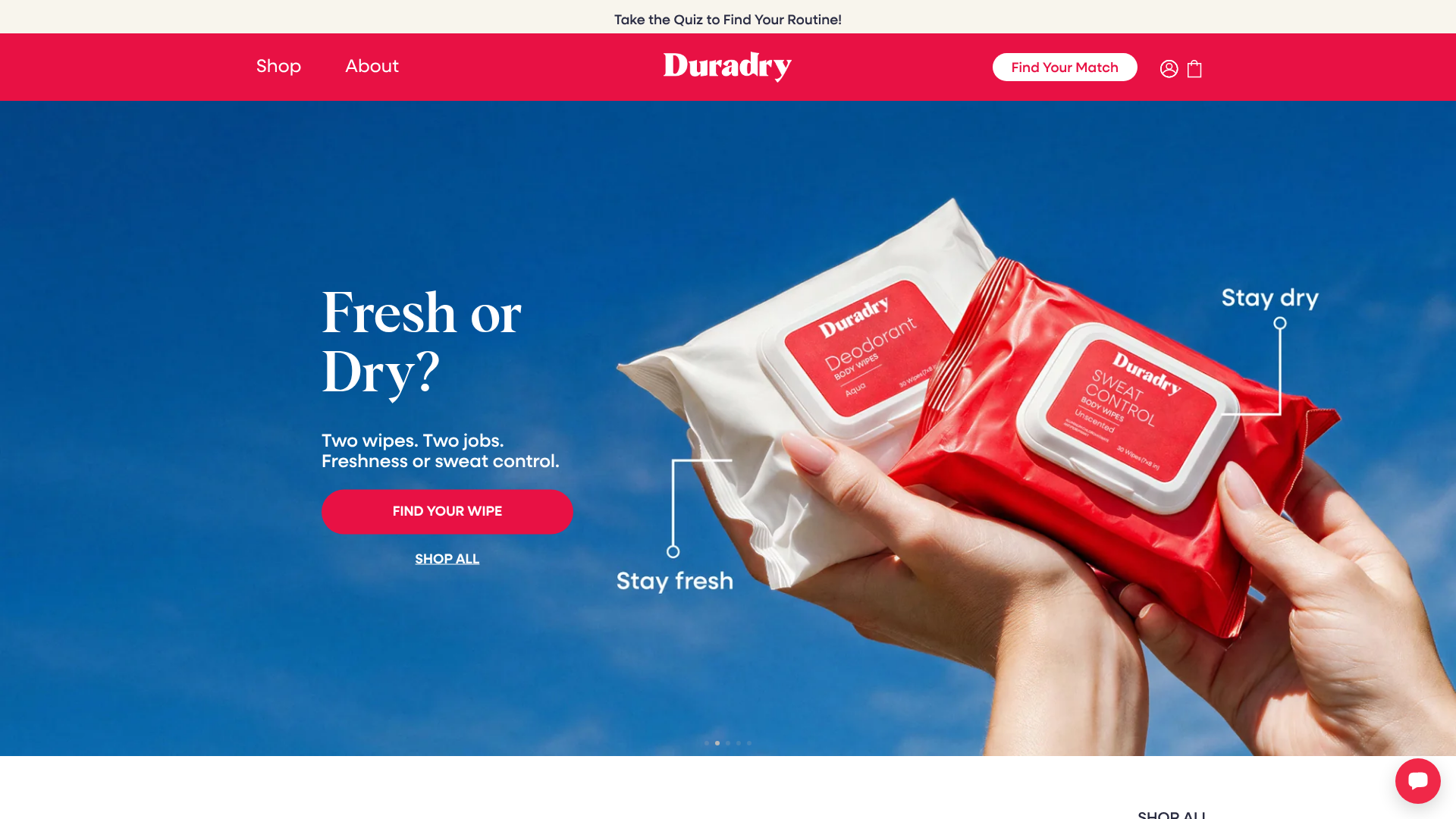
An over-the-counter clinical-strength antiperspirant focused on cleaner ingredients.
- Underarm and body sweat control
- Multi-step system approach
- Odor-focused formulas
Good for underarm sweat and odor. Limitation: no prescription pathway, no dermatologist involvement, and little help for palmar or plantar sweating. Bottom line: fine for underarms, limited beyond them.
Feature Comparison: miraDry vs Top Alternatives
Here's how the six options stack up across the factors that tend to matter most.
| Feature | miraDry | Twofold | Center for Hyperhidrosis | Dermadry | SweatBlock | Duradry |
|---|---|---|---|---|---|---|
| Treatment Type | In-office microwave procedure | Prescription topical/oral, at-home | Surgical (ETS, curettage) | At-home iontophoresis device | OTC antiperspirant | OTC antiperspirant |
| Body Areas Treated | Underarms only | Hands, feet, face, underarms, back, chest, groin | Varies by procedure and zone | Hands, feet, underarms | Multiple areas | Underarms and body |
| Requires In-Person Visit | Yes | No | Yes | No | No | No |
| Reversibility | No, permanent | Yes, reversible | No, permanent | Yes | Yes | Yes |
| Dermatologist Oversight | At the treating clinic | Yes, included with unlimited follow-up | Yes, in-person specialist | No | No | No |
| Approximate Cost | $1,500 to $3,000+ per area | $150 for a 3-month supply | Surgical pricing, varies | $500 to $1,000 device | Low, OTC | Low, OTC |
Why Twofold Is a Strong miraDry Alternative
miraDry does one thing well: for underarm-only sweating that hasn't responded to first-line options, it's a well-evidenced procedure with lasting results, and some people would rather book a single visit than keep up a nightly routine. If that describes you, it's a reasonable path.
For most people researching miraDry, though, Twofold fits better. We treat hands, feet, face, underarms, and more instead of the underarms alone (see how we compare in the Dermadry vs Twofold breakdown), the compounded gel is fully reversible if your needs change, and a 3-month supply runs $150 ($50/mo) with no procedure or downtime. There's also the step-wise logic worth respecting: trying a dermatologist-guided, non-invasive treatment before committing to something permanent is simply the more sensible starting point for most sweat patterns.
Final Thoughts on miraDry Alternatives Worth Knowing
For underarm sweating that has not responded to anything else, miraDry is a well-supported choice. But if your sweating hits multiple areas or you want to stay flexible, starting with something reversible makes a lot of sense. There is no single right answer, just the one that fits your body and your goals.
FAQ
Why do people look for miraDry alternatives?
miraDry works well for underarm sweating, but it treats one area only, carries a $1,500 to $3,000+ upfront cost, and permanently destroys sweat glands with no way to reverse the outcome. People with sweating on their hands, feet, or face get no benefit from it, and many prefer to try a non-invasive, reversible option before committing to a procedure.
When does it make sense to try Twofold before booking a miraDry appointment?
If your sweating affects more than just your underarms, or if you want to try a dermatologist-guided prescription treatment before doing something permanent, Twofold is a logical first step. A 3-month supply runs $150, there's no procedure or downtime, and treatment is fully reversible if your needs change.
What should you look for in a miraDry alternative?
The most useful criteria are body area coverage, reversibility, cost, and whether a licensed dermatologist is involved in your care. An option that covers multiple sweat zones, costs considerably less upfront, and includes medical oversight gives you more flexibility than a single-zone procedure at a higher price point.
Can Twofold treat sweating on the hands and feet, or only the underarms like miraDry?
Twofold's compounded topical oxybutynin 8% gel is used on hands, feet, face, underarms, back, chest, and groin. That multi-zone coverage is one of the clearest differences from miraDry, which is cleared for underarms only.
How long does it take to see results with Twofold compared to miraDry?
Most Twofold patients notice initial change within one to two weeks of nightly use, with full results typically appearing around the four-week mark. miraDry results are visible after one or two in-office sessions, but keep in mind that a second session is often needed, which adds time and cost to reach the final outcome.
If you see a mistake or something you think should be updated, let us know at hello@itstwofold.com!


