

Excessive sweating can feel pretty isolating, especially when it seems like regular antiperspirants are totally useless for you. The good news is that doctors have a real toolkit for this, and a hyperhidrosis prescription looks different for everyone. Let's break down what's actually available so you can walk into that appointment knowing your options.
TLDR:
- Hyperhidrosis affects around 15.3 million Americans, and real prescription options exist beyond OTC antiperspirants.
- Oral glycopyrrolate eased symptoms in about 75% of patients; oxybutynin improved symptoms in 60% to 97% in studied populations.
- Topical anticholinergics target specific zones with fewer body-wide side effects than oral versions, per a 2024 systematic review.
- Botox injections showed 96% success in severe underarm cases but cost $600 to $1,500 or more per session with repeat visits needed.
- Twofold is a virtual sweat clinic where a dermatologist reviews your intake within 24 hours and can prescribe topical or oral treatment options.
What Is Hyperhidrosis and Why Does It Cause Excessive Sweating?
Hyperhidrosis is the medical term for sweating far beyond what your body needs to cool itself. Your sweat glands switch on when they shouldn't, soaking your palms, feet, underarms, or face even when you're sitting still in a cool room.
It's more common than most people assume. Around 4.8% of the U.S. population, roughly 15.3 million Americans, are estimated to have it, per a 2016 prevalence study. About 75% report negative effects on mental health, social relationships, and emotional well-being. Learn more about hyperhidrosis symptoms and causes.
Is it dangerous? The sweating itself usually isn't, but it can signal an underlying condition, and serious causes can't be ruled out for everyone. If your sweating is new or sudden, see a provider.
Primary vs. Secondary Hyperhidrosis: Understanding the Difference
Doctors sort excessive sweating into two buckets, and which one you have shapes the prescription path entirely.
Primary focal hyperhidrosis has no underlying cause. It runs in families, tends to start before age 25, shows up symmetrically (both palms, both feet), and stops while you sleep. It hits men and women at roughly equal rates.
Secondary hyperhidrosis is triggered by something else, and it can affect your whole body, day or night. Common culprits include:
- Thyroid disorders and diabetes
- Menopause and pregnancy
- Infections
- Certain medications, including some antidepressants
That's why a provider looks for a cause first.
How Hyperhidrosis Is Diagnosed Before a Prescription Is Written
Before writing any prescription, a provider needs to know what's driving your sweating. The good news: diagnosis is mostly a conversation, not an ordeal.
For primary hyperhidrosis, clinicians look for a familiar pattern:
- Visible excessive sweating for six months or more
- Symmetric sweating (both hands, both underarms)
- Sweating that stops while you sleep
- A family history of the same
- Onset before age 25
- Interference with everyday activities
A few tests can confirm it. The starch-iodine test turns sweaty skin dark blue, and gravimetric testing weighs paper to measure output. Bloodwork helps rule out thyroid or blood-sugar causes when secondary sweating is suspected.
Prescription Antiperspirants: The Starting Point for Many
When over-the-counter antiperspirants stop cutting it, prescription-strength ones are usually the next stop. The classic is Drysol, a 20% aluminum chloride hexahydrate solution. The aluminum salts physically plug your sweat ducts near the skin's surface, so less sweat reaches it.
You apply it at night, sometimes under wrap for tougher spots like palms. It works for many mild-to-moderate cases, but the catch is irritation. Burning, stinging, and itchy contact dermatitis are common, and often severe enough that people stop using it.
Oral Anticholinergics: Glycopyrrolate and Oxybutynin Pills
When sweating is generalized or hits several areas at once, pills often make more sense than a topical. Oral anticholinergics work systemically, blocking acetylcholine so sweat glands across your body ease off.
Two are prescribed most often:
- Oral glycopyrrolate for hyperhidrosis: eased symptoms in about 75% of patients in one study. Immediate-release, so it acts quickly but wears off, usually dosed more than once a day.
- Oral oxybutynin for sweating: improved symptoms in 60% to 97% of patients across studies, per a 2025 review, typically 2.5 to 7.5 mg daily. Extended-release is taken once each morning.
| Oral Glycopyrrolate | Oral Oxybutynin | |
|---|---|---|
| Efficacy | ~75% of patients saw symptom relief (PMC3259134) | 60 to 97% of patients saw improvement (JAAD Reviews 2025) |
| Typical Dose | Multiple times daily (immediate-release) | 2.5 to 7.5 mg once daily (extended-release) |
| Crosses Blood-Brain Barrier | No | Yes |
| Drowsiness / Brain Fog Risk | Lower | Greater |
| Common Side Effects | Dry mouth, constipation, blurred vision | Dry mouth, constipation, blurred vision, fatigue |
One key difference: oxybutynin crosses the blood-brain barrier while glycopyrrolate doesn't, so oxybutynin carries more risk of drowsiness and brain fog.
Commonly reported side effects include dry mouth, constipation, and blurred vision. This is not a complete list of possible side effects or drug interactions. Dosing is titrated with your provider.
Topical Anticholinergics: Oxybutynin Gel, Glycopyrronium Wipes, and Newer Options
Topical anticholinergics deliver the same acetylcholine-blocking action as the pills, concentrated where you apply them. Because topical formulations have lower systemic absorption than oral versions, body-wide side effects tend to be milder, per a 2025 review, though individual tolerability still varies.
A few options exist:
- Compounded oxybutynin gel: applied to hands, feet, face, underarms, and more. A 2024 systematic review found meaningful improvement in 73.6% of patients versus 42.8% on placebo.
- Qbrexza alternatives are worth knowing: Qbrexza itself is a glycopyrronium 2.4% cloth, FDA-approved for underarms, with 60% of patients reporting improvement versus 28% on vehicle in the ATMOS-1/ATMOS-2 trials.
- Sofdra: sofpironium bromide 12.45% gel, FDA-approved in 2024 for ages 9 and up, with roughly 85% showing significant improvement versus vehicle in pooled phase 3 clinical trial data, per a 2025 JAAD analysis.
Coverage zone and cost vary. Qbrexza and Sofdra are labeled for underarms only, while compounded gel can target multiple areas.
Commonly reported side effects include application-site reactions, dry mouth, and thirst. This is not a complete list of possible side effects or drug interactions.
Botulinum Toxin Injections for Hyperhidrosis
Botulinum toxin, better known as Botox, is injected into the skin to block the nerve signals that switch on your sweat glands. A provider does it in-office.
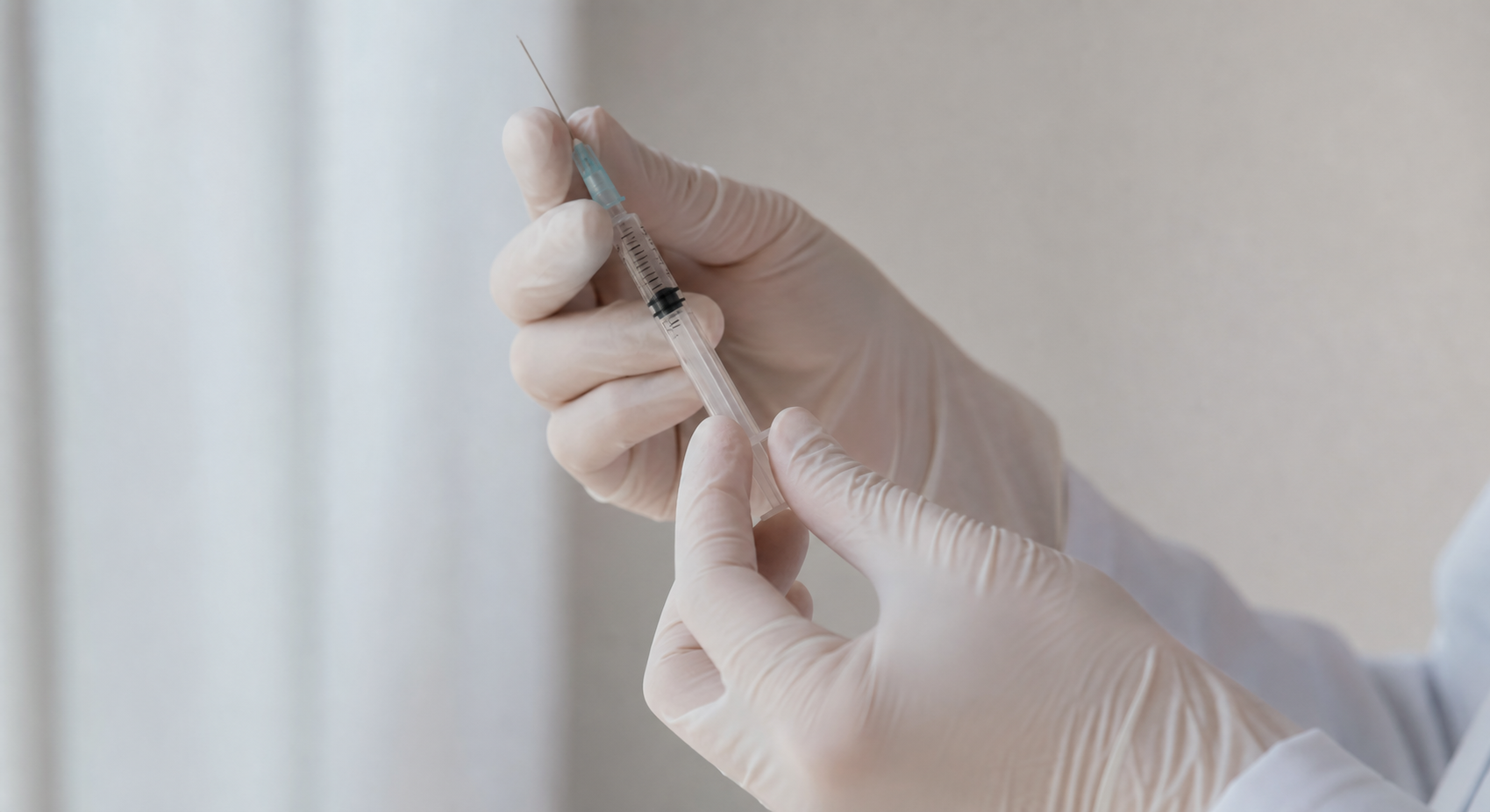
The evidence for underarms is strong. A one-year prospective study reported 96% success in severe axillary cases. Effects typically last 4 to 6 months, with some patients reporting results up to 12 months, before repeat injections are needed, per a 2020 JAAD review.
The trade-offs are practical: recurring visits, needles, and cost that often runs $600 to $1,500 or more per session. For palms, some patients may notice slight, temporary grip weakness.
Iontophoresis: A Non-Drug Prescription Option
If needles and pills aren't for you, iontophoresis offers a drug-free route. You rest your hands or feet in shallow trays of water while a device sends a mild electrical current through, temporarily quieting the sweat glands.
It works well for palms and soles. Over 80% of users with palmoplantar hyperhidrosis saw improvement, according to a 2022 systematic review.
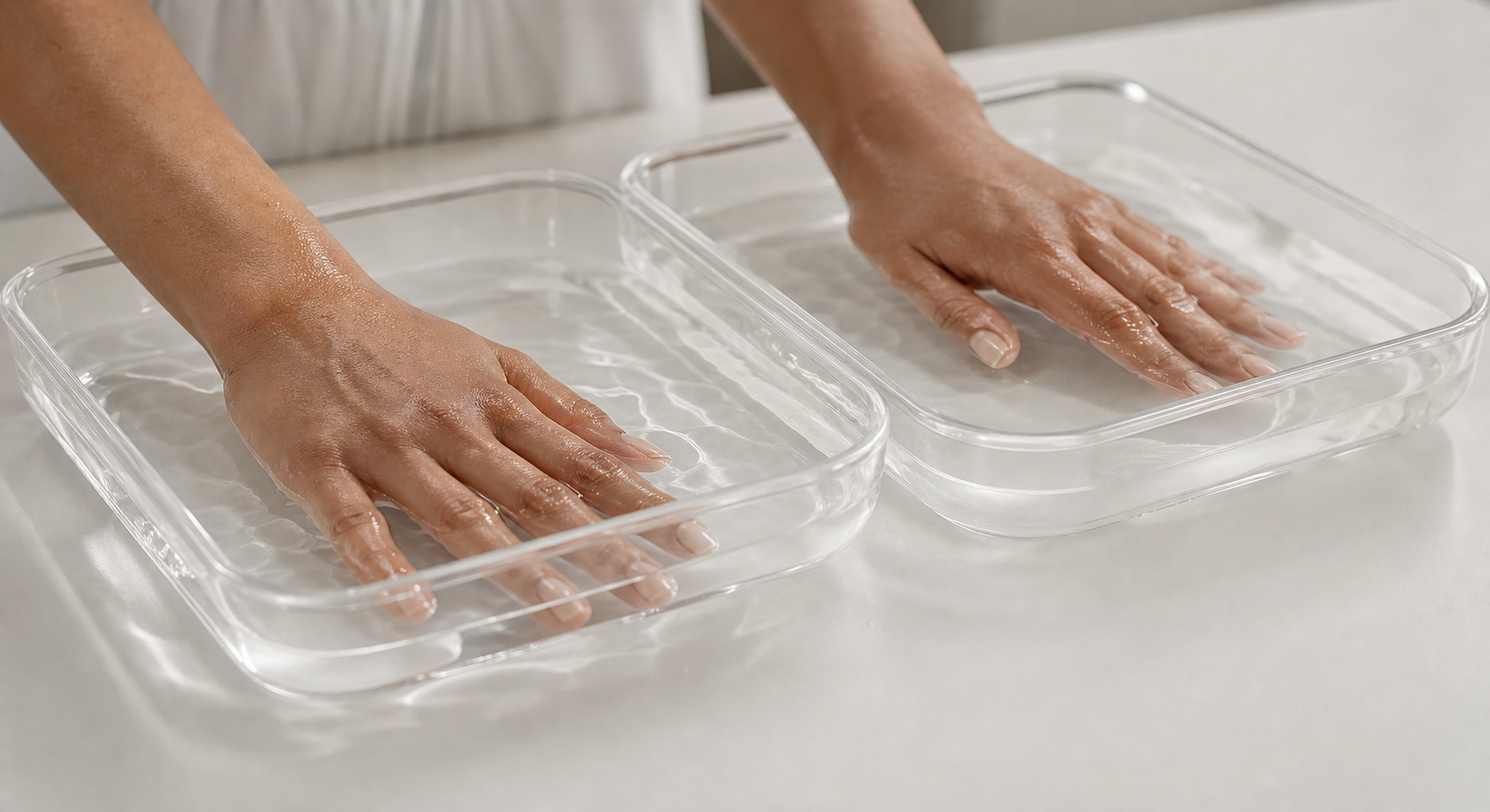
The catch is upkeep: 3 to 4 sessions a week at first, and iontophoresis for hyperhidrosis costs $500 to $1,000 out of pocket for a device, with sweating that returns fast once you skip sessions. It's not suitable if you have a pacemaker, metal implants, or are pregnant.
When Prescription Medications Are Not Enough: Procedures and Surgery
When medications and in-office injections haven't helped, a few permanent options remain.
miraDry treatment uses microwave thermolysis to destroy underarm sweat glands. Results tend to last, though the glands are unlikely to regenerate, usually after one or two sessions. Long-term surveys report average sweat reduction of 61 to 70% at a mean 38-month follow-up, per a 2021 study. It treats underarms only and commonly costs $1,500 to $3,000 or more per area.
Endoscopic thoracic sympathectomy (ETS) is the surgical last resort, cutting the nerves that trigger sweating under general anesthesia. It's effective but irreversible, and compensatory sweating elsewhere has been reported in 36.5% to 90% of cases across published literature, per a systematic review. Worth trying everything else first.
What to Know About Getting a Hyperhidrosis Prescription
Getting treated usually starts with a single conversation. Only about half of people with hyperhidrosis ever bring their symptoms up with a provider, per Oshima et al. (2023), which means plenty suffer longer than they need to.
The path itself is straightforward:
- Notice the pattern (where you sweat, how often, whether it disrupts your day)
- Share it with a provider, in person or online
- Complete an intake or short evaluation
- Get a diagnosis that separates primary from secondary causes
- Receive a prescription matched to your symptoms
Telehealth has made those first steps far easier, letting many people skip the waiting room entirely.
How Twofold Approaches Hyperhidrosis Prescriptions Online
If everything above feels like a lot to weigh, that's where we come in. Twofold is a virtual sweat clinic focused only on hyperhidrosis. You fill out an online intake, and a board-certified, sweat-specialized dermatologist reviews it within about 24 hours.
A flagship prescription option available is a compounded topical oxybutynin 8% gel, built for thicker-skinned areas like hands and feet. You apply it nightly across multiple zones (hands, feet, underarms, face, back, chest, groin). When a pill fits better, our dermatologists prescribe oral glycopyrrolate or extended-release oxybutynin for hyperhidrosis, including combination plans.
Final Thoughts on Managing Hyperhidrosis With Prescription Options
Hyperhidrosis is genuinely treatable, and the options have gotten better in recent years. Whether topical gels, oral medications, or procedures make the most sense depends on your symptoms and where sweating affects you most. A short conversation with a provider is what moves things from frustrating to manageable.
FAQ
Oxybutynin vs glycopyrrolate for hyperhidrosis: which oral medication should I ask my doctor about?
See the comparison table above for the full breakdown. The key difference: glycopyrrolate carries a lower drowsiness risk, while oxybutynin has a broader efficacy range but crosses the blood-brain barrier. A sweat-specialized dermatologist can weigh your full picture, including whether a topical option might reduce systemic side effects, before settling on a treatment and dose.
How long does glycopyrrolate take to work for sweating, and what side effects should I expect?
Glycopyrrolate is immediate-release, so many patients notice some effect within days, though consistent results typically build over a few weeks as dosing is adjusted with a provider. Commonly reported side effects include dry mouth, constipation, blurred vision, and urinary retention; this is not a complete list of possible side effects or drug interactions. Because dosing is titrated, starting low and working up with a dermatologist's guidance is the standard approach.
What is the difference between hyperhidrosis telehealth and an in-person dermatologist visit for getting a prescription?
Telehealth for hyperhidrosis, like the asynchronous model Twofold uses, skips the waiting room entirely: you complete an online intake, and a board-certified dermatologist reviews it within about 24 hours and writes a prescription if appropriate. In-person visits give a provider the chance to run confirmatory tests like the starch-iodine test on the spot, which can be useful when secondary hyperhidrosis causes (thyroid disorders, diabetes, menopause) need to be ruled out more thoroughly. For most people with a clear primary hyperhidrosis pattern, telehealth covers the diagnostic conversation and prescription step without the added friction of scheduling and travel.
Can I treat hyperhidrosis on my hands, feet, and face with the same prescription, or do I need separate treatments?
Compounded topical oxybutynin gel can be applied across multiple zones (hands, feet, face, underarms, back, chest, and groin) in a single prescription, which is one practical advantage over FDA-approved branded options like Qbrexza or Sofdra that are labeled for underarms only. Coverage area is worth discussing with your dermatologist upfront, since thicker-skinned areas like palms and soles require a formulation built to penetrate those surfaces, not a standard solution or lotion that may sit on top.
How do I know if my excessive sweating needs a prescription or if over-the-counter antiperspirants are enough?
If sweating is interfering with daily activities (wet handshakes, visible sweat through clothing, avoiding social situations) and standard antiperspirants haven't helped after consistent use, that's a reasonable threshold for talking to a provider about a prescription. Prescription-strength aluminum chloride (like Drysol) is usually the first clinical step for mild-to-moderate cases, while oral or topical anticholinergics like oxybutynin or glycopyrrolate for hyperhidrosis become relevant when sweating is more generalized or affects areas where topical products struggle to penetrate. A dermatologist can also rule out secondary hyperhidrosis causes, including thyroid disorders and certain medications, that require treating the underlying condition and not merely the sweating alone.
If you see a mistake or something you think should be updated, let us know at hello@itstwofold.com!


